
Updates
A Major Milestone: Selection for NATO DIANA Challenge
We are excited to announce that HyperKelp has been selected as one of 150 companies joining the NATO DIANA 2026 Challenge Program Cohort! Our solution was chosen under the Maritime Operations Challenge. Over the next six months, we will work closely with Cove Ocean in Nova Scotia, Canada and engage with DIANA’s network of experts, mentors, and test centers to refine our solution and shape it to operational needs.

HyperKelp has been named one of the Emergent Defense Magazine Impact 100 companies
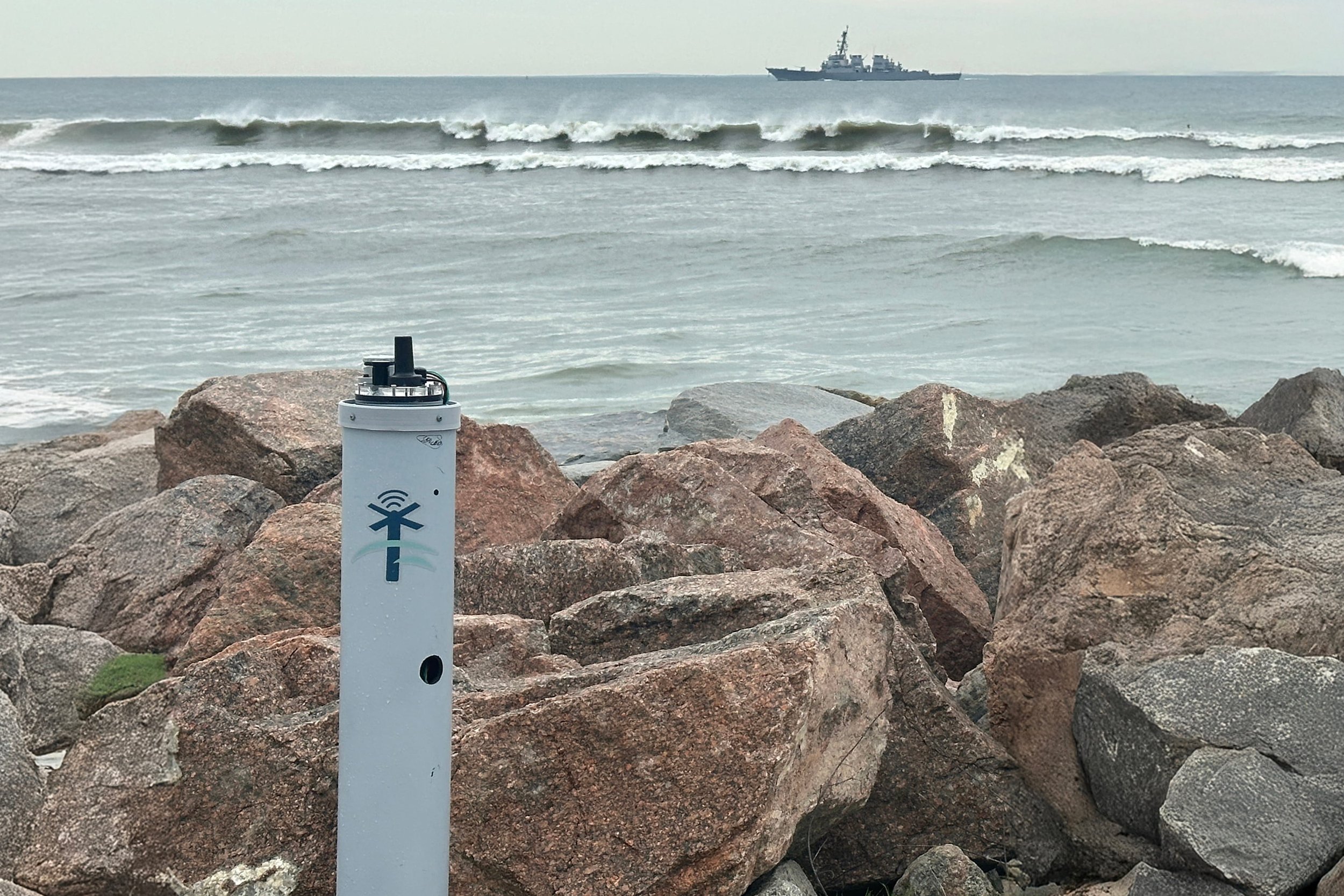
Hot on the heels of our NATO DIANA 2026 selection, we’re proud to share that HyperKelp has been named one of the Emergent Defense Magazine Impact 100 companies!! It’s been a strong year of testing and validation for our team and our mission: building low-cost, long-endurance, maritime sensing platforms that deliver real operational impact.
CTO Costas Soler selected as 2026 Forbes 30 under 30
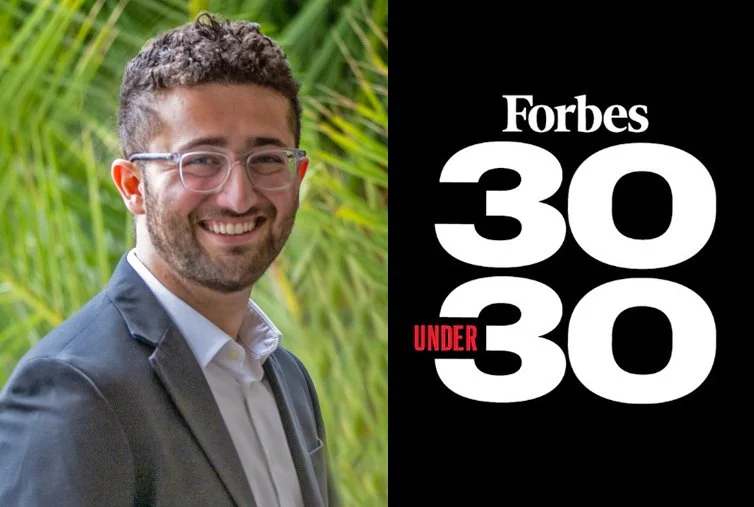
Forbes under 30 List 2026: HyperKelp congratulates founder Costas Soler on being named to the Forbes 30 Under 30 list!
All of us at HyperKelp are proud to celebrate Costas’s vision, leadership, and relentless commitment. He is helping build HyperKelp’s fleet of smart buoys that deliver real-time situational awareness to military and commercial customers.
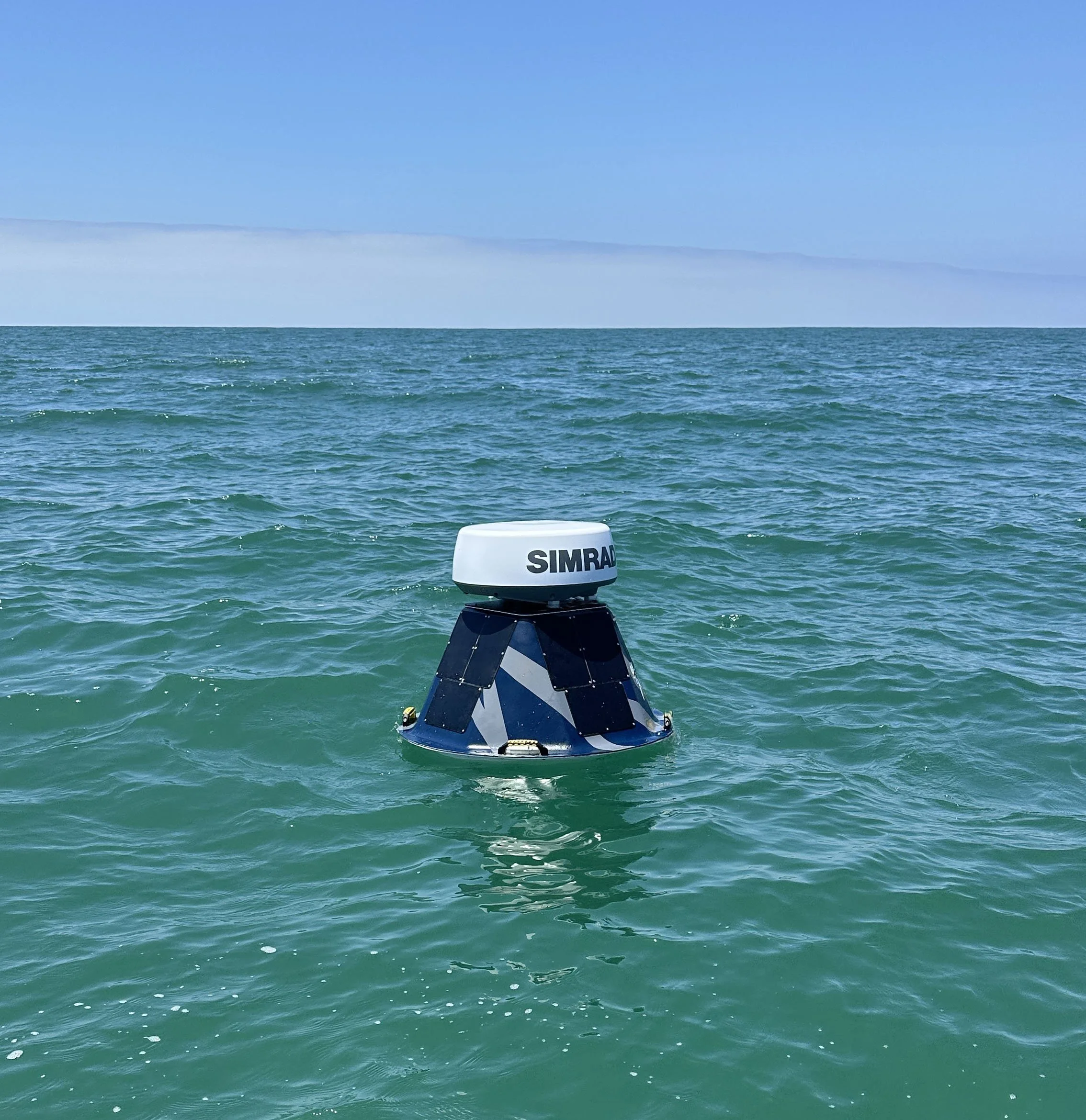
Faster Warnings, Safer Coasts: How HyperKelp is Transforming Tsunami Detection
On the heels of a powerful earthquake and resulting tsunami this week, communities worldwide were reminded of the devastating potential of natural disasters—and the critical role of early warning systems. While the loss of life was limited, largely thanks to timely alerts and coordinated evacuations, the event underscores why HyperKelp is building the next generation of tsunami detection technology.
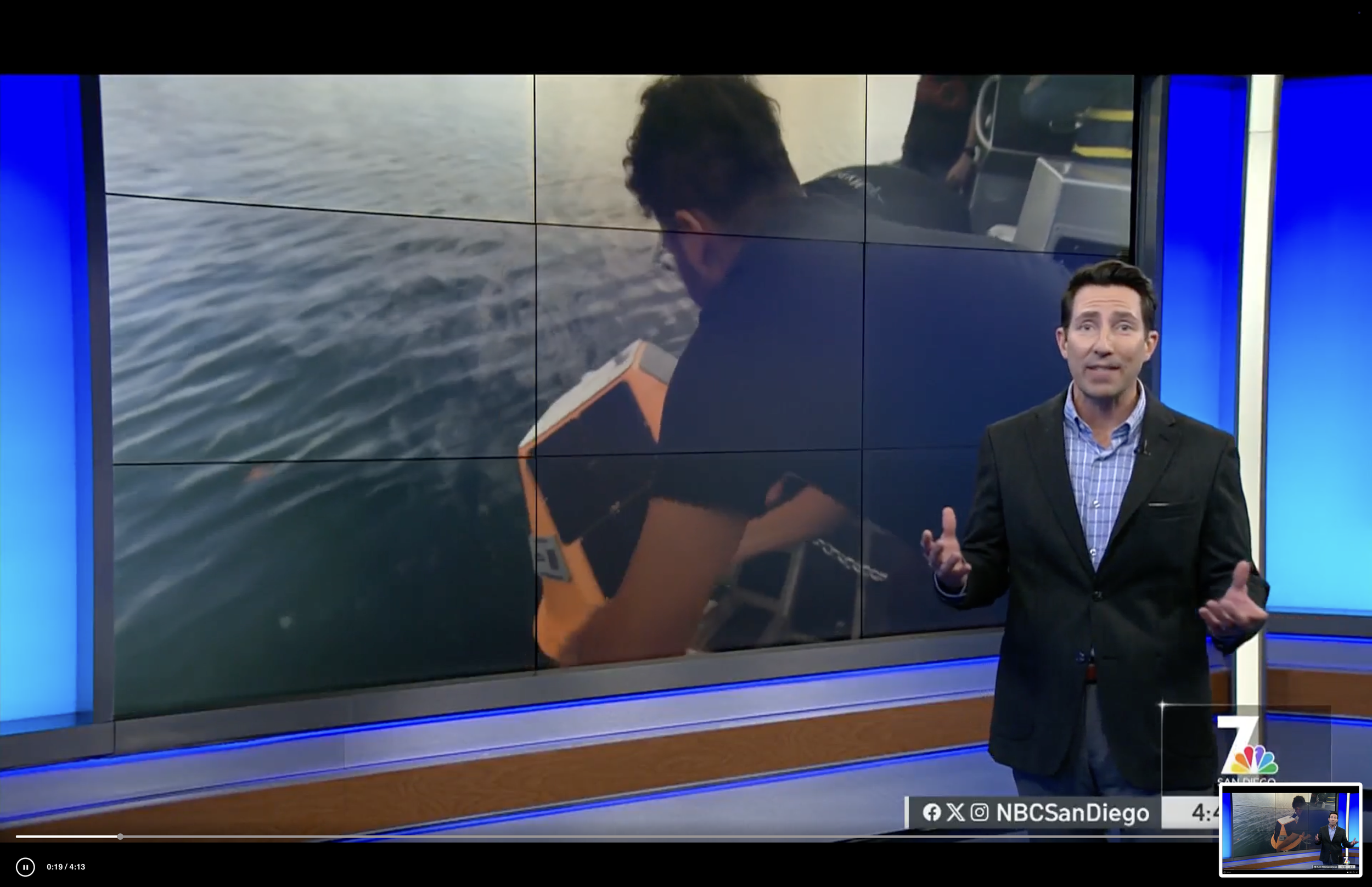
HyperKelp featured on NBC 7 San Diego
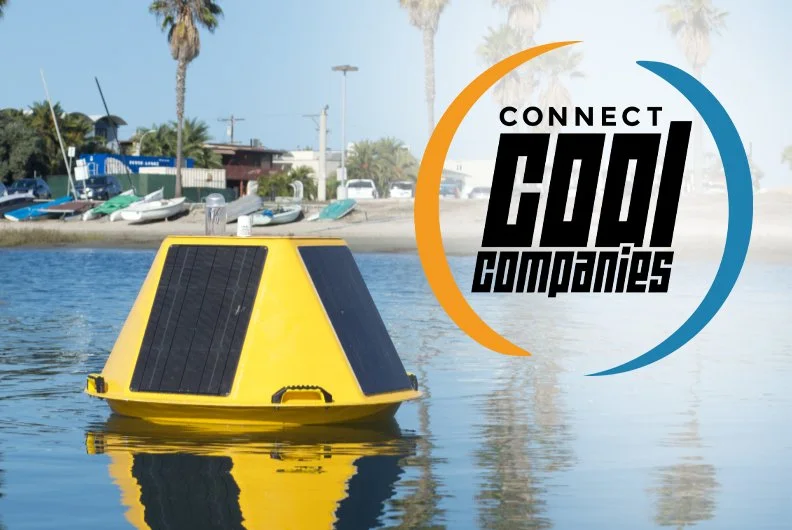
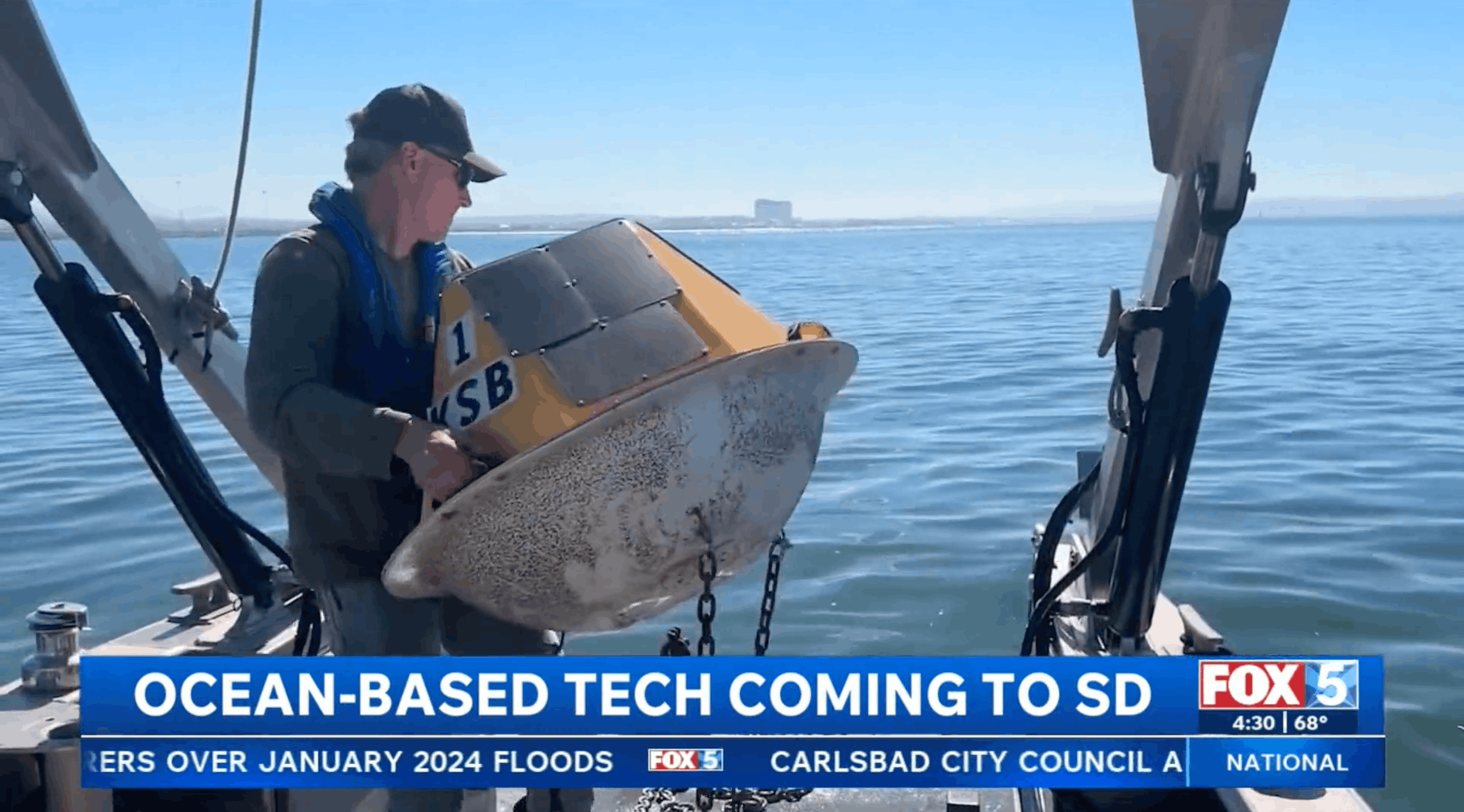
If you are out along San Diego Bay, you may notice something bright yellow floating in the water.
The first smart buoy was recently deployed in the bay. The goal is to eventually deploy five of them in and near San Diego Bay. Their job is collecting a constant stream of data to gauge the health of one of San Diego’s most valuable natural resources.

HyperKelp Secures $1.8 Million U.S. Air Force Direct To Phase II Contract to Enhance Ocean Surveillance Using Advanced Buoy Technology
Encinitas, CA — HyperKelp has been awarded a $1.8 million Direct To Phase II contract from the U.S. Air Force to advance its innovative Kelp Smart Buoy (KSB) technology, designed for comprehensive ocean surveillance and intelligence gathering. This contract marks a significant step in HyperKelp’s mission to provide the Air Force with reliable, cost-effective tools for monitoring expansive maritime domains in real time.
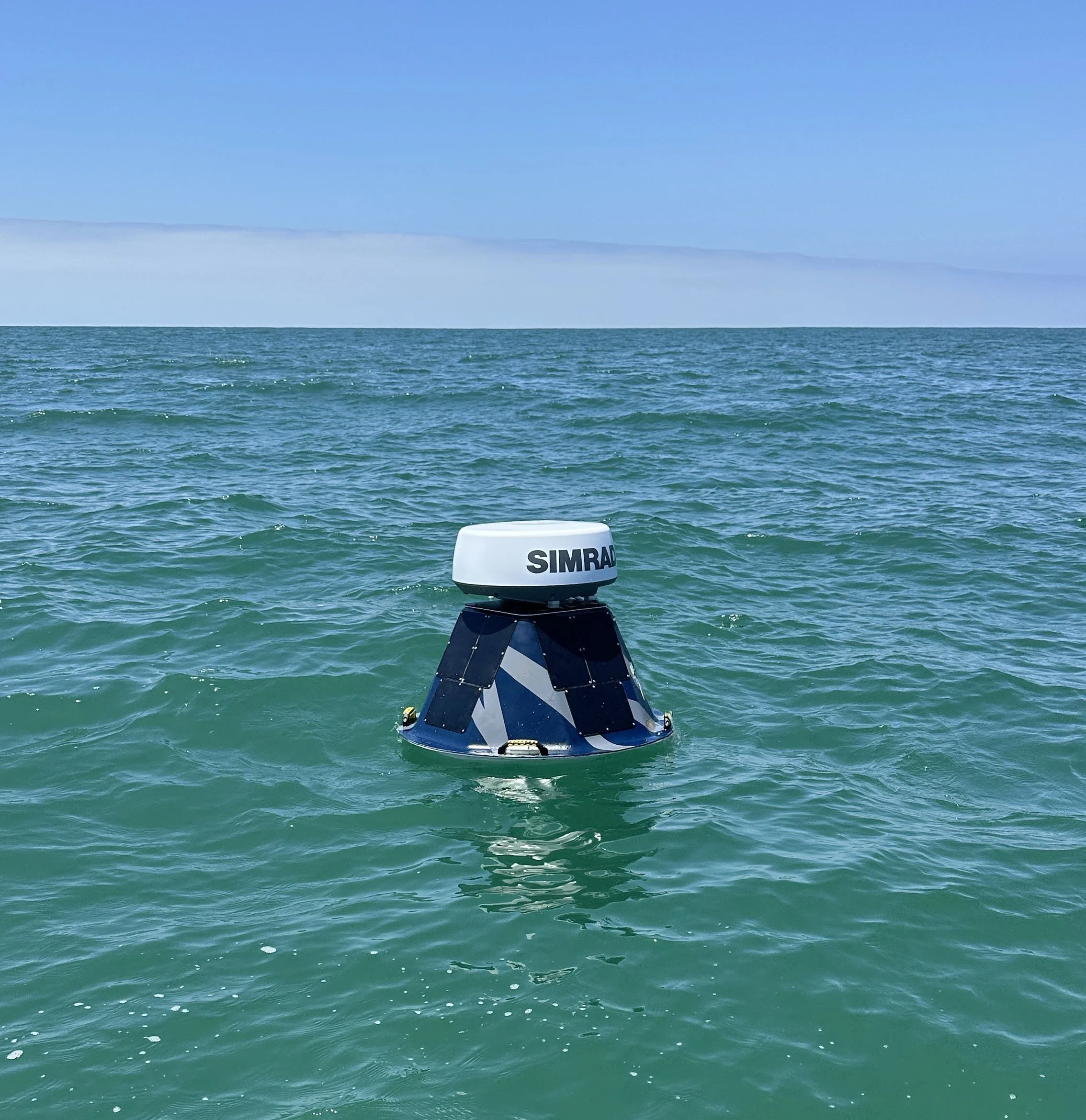
HyperKelp Awarded $1.3 Million U.S. Navy Contract for Groundbreaking Counter-Hypersonic Detection Technology
Encinitas, CA — HyperKelp has been awarded a $1.3 million contract by the United States Navy, solidifying its position as the only company selected to advance buoy-based counter-hypersonic sensing technology. This award builds on the success of HyperKelp’s Kelp Smart Buoy (KSB) platform, a compact sonobuoy system that delivers vital, surface-based intelligence on hypersonic threats.
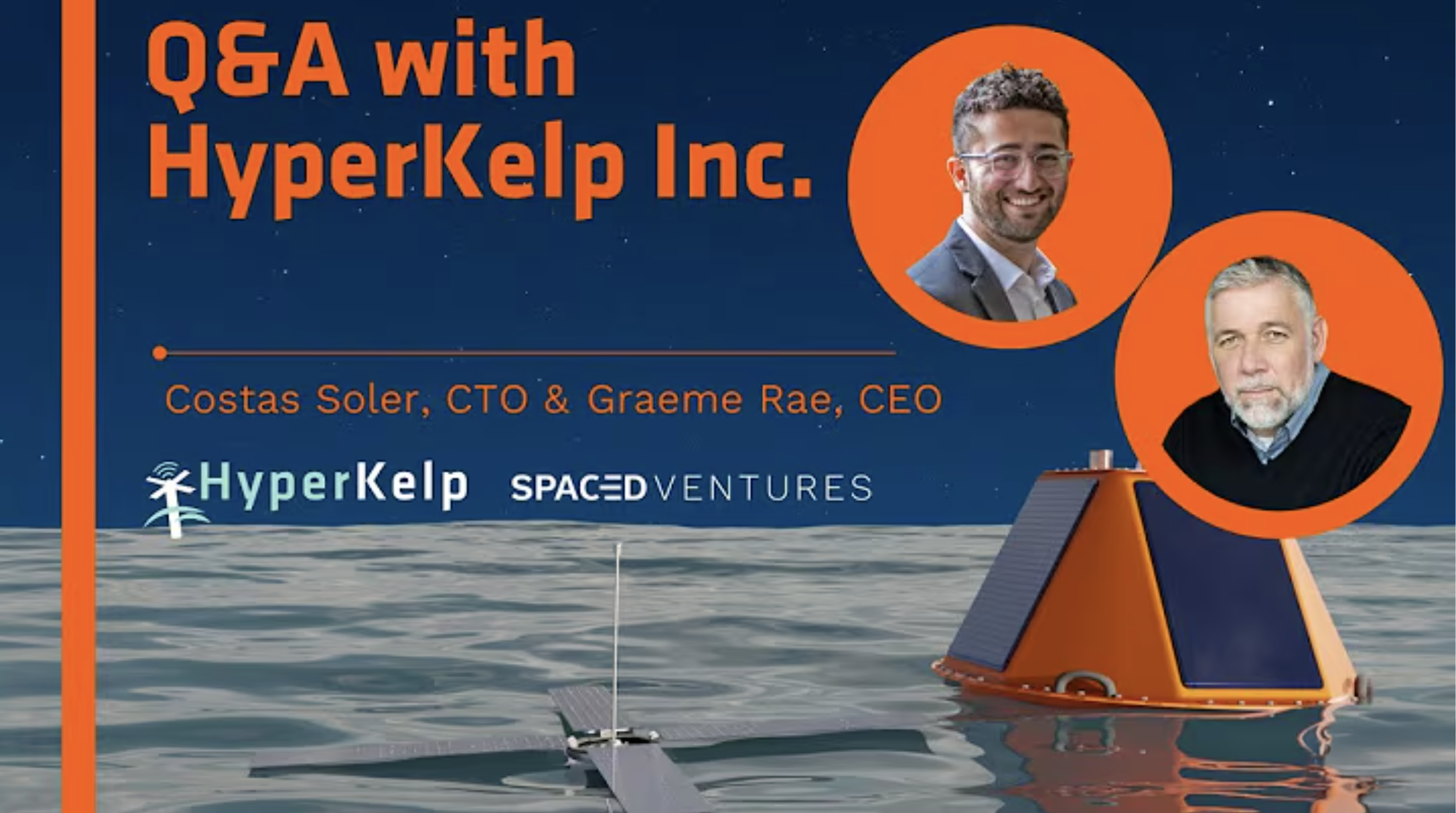

Pat Sullivan Joins HyperKelp’s Board of Advisors
Pat Sullivan has joined HyperKelp’s board of advisors to bring its Kelp Smart Buoy (KSB) and Ocean Data as a Service (ODaaS) Dashboard products to market in the US Department of Defense.
CEO Graeme Rae: “We are absolutely thrilled to have Pat on board – his depth of expertise and knowledge coupled with his extensive connections across all branches of the DoD make him a great resource for HyperKelp”
HyperKelp Joins NSIN Propel 2023
Early-Stage ventures chosen for the 2023 NSIN Propel Hawaii Accelerator will develop 5G, autonomous, and other commercial state-of-the-art technologies for the U.S. Navy and its partners in the Pacific Region.
Twelve startups selected from over 200 applicants to the National Security Innovation Network (NSIN) Propel Hawaii accelerator will work with U.S. Navy Pacific Fleet (PACFLT) N6 and other U.S. Indo-Pacific Commands (INDOPACOM) to provide the military greater access to emerging defense technologies.
Seeing through the haze
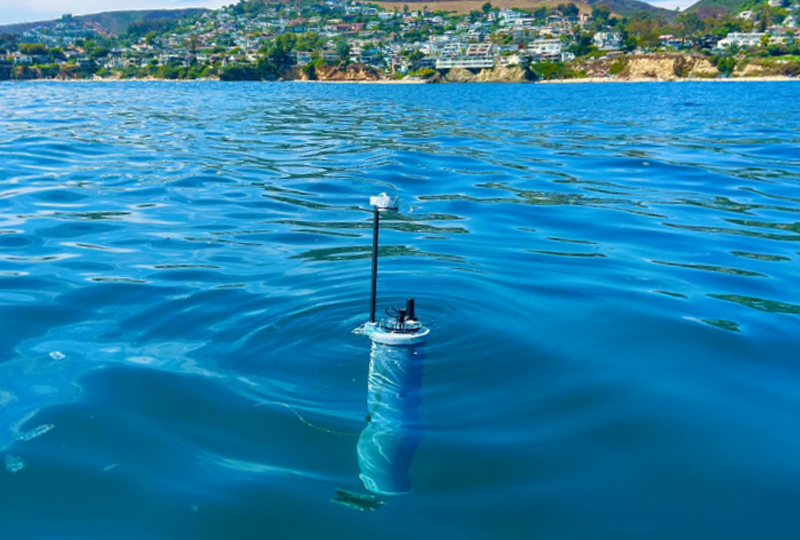
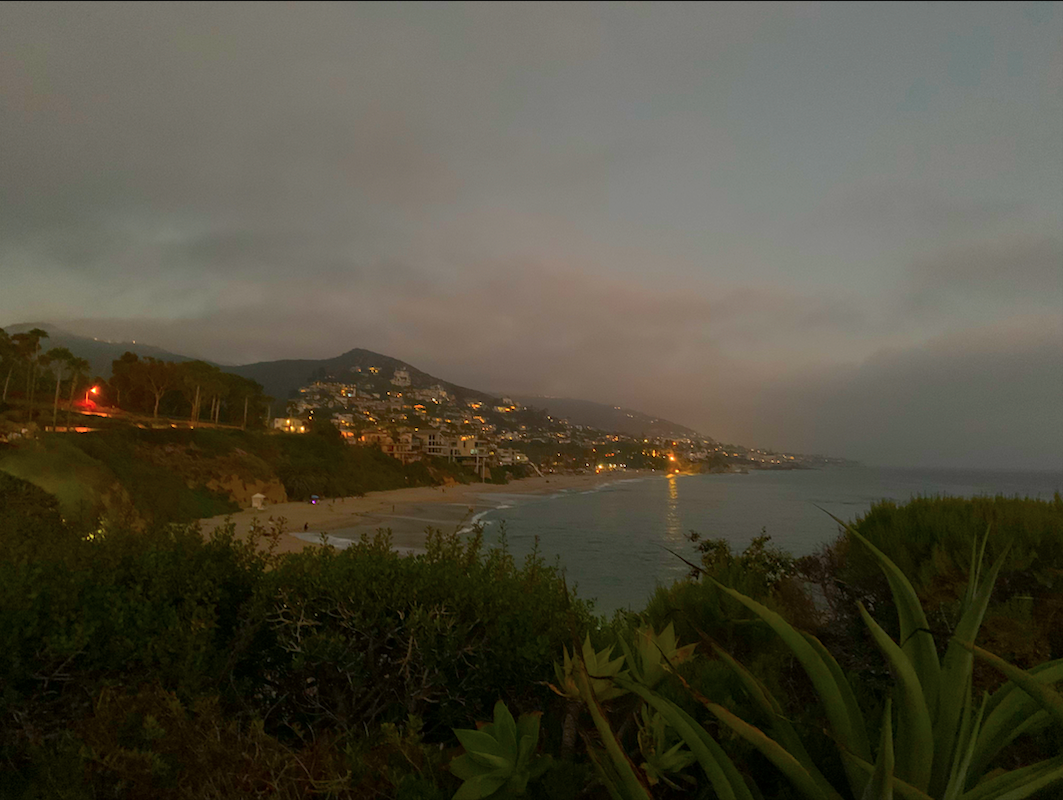
You can’t have a good sunset at the beach without clouds. Fortunately for sunset lovers, coasts are among the world’s most prolific cloud generators. Any SoCal locals who are familiar with our “June Gloom” know this. While clouds make great sunsets, they are also problematic for ocean measurements. Electro-optical (EO) and infrared (IR) wavelengths can’t penetrate clouds. That means clouds block remote measurements for a number of high value parameters including sea surface temperature, as well as optical data used to map algal blooms and track the movements of life over vast areas.